All Categories
Featured
Table of Contents

Smart Stock Systems in the local market
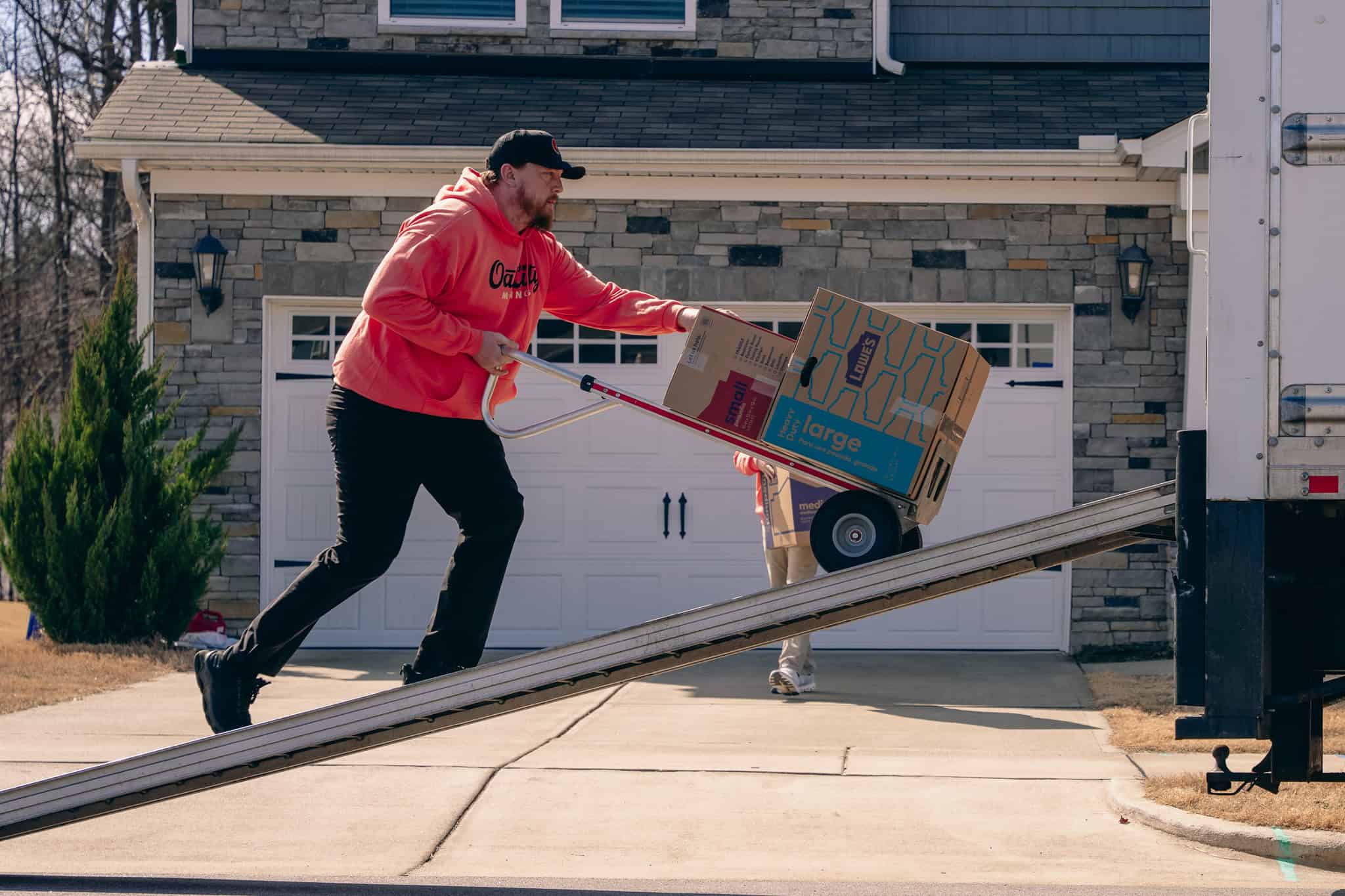
The requirement for domestic relocation has changed substantially by 2026. Gone are the days of manual spreadsheets and vague quotes based on room counts. Today, the process begins with spatial computing and computer system vision. House owners in the metropolitan area now use mobile applications that generate a three-dimensional digital twin of their home. These tools properly compute the cubic volume of every product, from the heavy sectional couch to the smallest kitchen area device. This accuracy permits logistics providers to assign the exact amount of space needed in an automobile, lowering fuel waste and preventing the requirement for several journeys.
Reliance on Inventory Packing makes sure that every variable, from current traffic patterns to regional parking ordinances in the region, is represented before the very first box is taped shut. These systems do more than simply list items. They examine the fragility and weight distribution of the inventory, suggesting specific packaging materials and filling series. This level of detail has actually virtually eliminated the typical disagreements over "surprise" expenses that afflicted the industry in previous years. When the data is this clear, openness ends up being the default instead of a high-end.
The Rise of Climate-Controlled Autonomous Logistics
The year 2026 has seen a shift towards self-governing transport for long-distance hauls. While a human team still deals with the fragile job of packing and dumping in the surrounding suburbs, the highway sections are frequently handled by self-driving electric fleets. These cars are geared up with sophisticated climate-control systems that are kept track of in real-time. For citizens relocating to or from the local area, this implies high-value electronic devices, great art, and temperature-sensitive wine collections are safeguarded from the severe weather variations that can take place throughout transit.
Logistics organizers now utilize predictive sensors inside the freight hold. These sensors spot shifts in weight or changes in humidity, immediately alerting the remote tracking team if a crate needs modification. This technical oversight becomes part of a more comprehensive approach specialized handling. Specialists in residential relocation suggest that these technological safeguard have actually lowered cargo damage claims by almost forty percent compared to the start of the years. The combination of innovation and physical labor has created a more dependable environment for households transitioning between homes.
Sustainable Packaging and Modular Systems
Sustainability is no longer an afterthought in 2026. The industry has moved away from single-use cardboard and plastic tape. In the local region, expert movers now make use of modular, interlocking cage systems made from strengthened recycled composites. These bins are not only more resilient than traditional boxes but also stack more effectively, making the most of the internal volume of the moving truck. When the relocation is complete, the cages are collected, sanitized, and returned into circulation, producing a circular economy within the logistics sector.
Due to the fact that Professional Inventory Packing System has actually ended up being a basic requirement for eco-conscious consumers, companies are investing heavily in zero-emission equipment. Electric tailgates, solar-powered refrigeration systems for food transportation, and eco-friendly cushioning materials are now typical sights on domestic streets in the neighborhood. These modifications are driven by both consumer need and more stringent community regulations concerning carbon footprints in domestic zones. Moving day is no longer defined by a idling diesel engine sitting outside a home for 8 hours.
Advanced Labor and Robotic Assistance
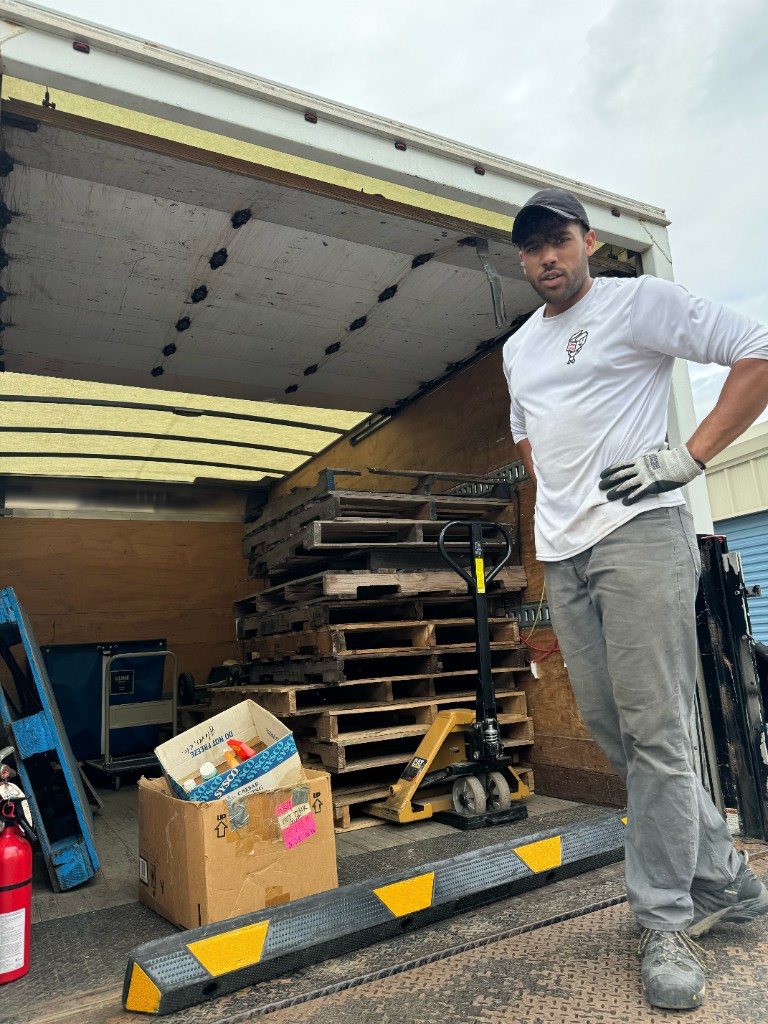
The physical needs of moving have actually been reduced by the introduction of wearable innovation and robotic assistants. Expert crews in the local area frequently use light-weight exoskeletons that lower the strain on the lower back and knees when raising heavy furnishings. This technology permits a smaller team to accomplish more in less time while significantly decreasing the threat of office injuries. It also means that heavy items like grand pianos or marble-top tables can be managed with much greater precision and less threat of scuffing walls or doorframes.
In addition to wearable tech, little autonomous dollies are frequently used to navigate narrow hallways and elevators. These systems can "follow" a mover or be programmed to navigate a specific course from the living room to the truck ramp. By 2026, the image of four people dealing with a heavy armoire is ending up being an antique of the past. Rather, a single specialist using a specialized moving tool can assist heavy loads with very little effort, focusing more on the protection of the item than the raw strength needed to move it.
Strategic Scheduling and Dynamic Pricing
Logistics in 2026 also involve extremely sophisticated scheduling algorithms. Similar to the airline company industry, moving services now use vibrant pricing based on need, weather report, and regional events in the local region. Moving on a Tuesday morning in the middle of a calm weather condition week is considerably more budget friendly than a vacation weekend. House owners are utilizing these data indicate prepare their shifts months beforehand, securing much better rates and guaranteeing the accessibility of the best-rated teams.
Real-time tracking has actually likewise developed. Clients no longer receive a four-hour window for arrival. Rather, they get a GPS-synced notification that supplies a specific arrival time based upon the crew's progress at their previous stop. This level of interaction lowers the tension associated with moving day, allowing residents of the local market to handle their time better. Whether it is coordinating the arrival of a cleaning service or meeting an utility service technician, the exact timing provided by modern-day logistics platforms makes the whole day run more like a choreographed occasion than a disorderly scramble.
The Role of Specialized Moving Logistics
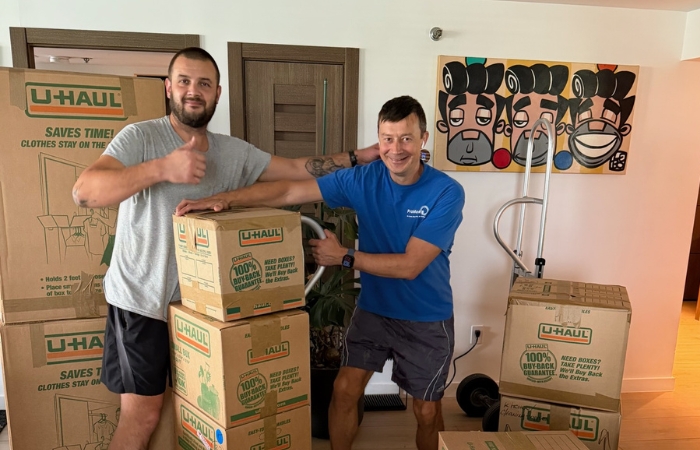
Complexity in modern-day homes needs specialized knowledge. With the frequency of wise home systems, home theaters, and internal charging stations for electrical automobiles, moving involves more than simply raising furnishings. Teams need to frequently be licensed to deconstruct and re-install intricate technical setups. This has actually resulted in a rise in specific niche services within the regional market that cater particularly to high-tech families. These experts make sure that when a family reaches their brand-new house, their network is safe, their smart devices are synced, and their technical facilities is ready for immediate use.
The advancement of moving services in 2026 shows a broader pattern towards data-driven, sustainable, and person-centered logistics. By integrating the precision of AI with the skill of tech-enabled specialists, the industry has managed to turn one of life's most demanding events into a workable, effective process. The focus has shifted from the mere transport of goods to the total management of a household transition, guaranteeing that the physical relocation is as modern as the homes being occupied.

Table of Contents
Latest Posts
Decreasing Empty Miles: The Effectiveness Goal for Long-Distance Movers
Latest Posts
Decreasing Empty Miles: The Effectiveness Goal for Long-Distance Movers